English (EUR)
 Česky (CZK)
 Deutsch (EUR)
 Austria (EUR)
 Polski (PLN)
 Français (EUR)
 Español (EUR)
 Italiano (EUR)
 Română (EUR)
 Ελληνικά (EUR)
 Dutch (EUR)
 Eesti keel (EUR)
 Português (EUR)
 Magyar (EUR)
 Svenska (EUR)
 Dansk (EUR)
 Suomen kieli (EUR)
 български език (EUR)
 Slovenščina (EUR)
 Slovensky (EUR)
 lietuvių kalba (EUR)
 latviešu valoda (EUR)
 Hrvatski (EUR)
 українська мова (EUR)
 Bahasa Indonesia (EUR)
What are medicinal mushrooms? An overview of the most well-known types and their effects
- What are medicinal mushrooms?
- Medicinal and edible mushrooms
- In traditional medicine for centuries
- Effects of medicinal mushrooms
- The most well-known types of functional mushrooms and their effects
- How to use medicinal mushrooms?
- How to combine mushrooms?
- CannabiZoo medicinal mushroom range
- Conclusion: a valuable creature for human health 💗
- FAQ
What are medicinal mushrooms?
Medicinal (functional) mushrooms🍄 are traditionally used to support fitness and maintain the body's balance. They contain high amounts of biologically active substances that support the health of every human being 🧌.
They contain polysaccharides, antioxidants, triterpenes, proteins, peptides, phenolic compounds, vitamins and many other substances beneficial to the body.

Just as every animal 🐗 has its role in nature, each functional mushroom is specific in some way and can support the body in a slightly different way. The most well-known medicinal mushrooms include reishi, shiitake, maitake, cordyceps, turkey tail, chaga and lion's mane.
Medicinal and edible mushrooms 🍄
There may be up to 3.8 million species of mushrooms in the world, but scientists have only described about 150,000 of them so far. Approximately 2,000 species are considered edible, of which more than 200 are medicinal.
Most of us consider mushrooms 🍄 to be a food that can be prepared in many ways, either fresh or dried.

However, medicinal mushrooms are more often processed and have biopharmaceutical uses. You will most commonly find them in the form of extracts in powders or capsules.
Used in traditional medicine for centuries
Medicinal mushrooms are nothing new. They have been used in traditional medicine for centuries, mainly because of their rich content of bioactive substances. They are particularly popular in Asian countries (China, Japan, Korea and Taiwan).
Asians consider them an important natural aid which, like a mother bear 🐻 protecting her cub from danger, can help protect the human body from problems associated with oxidative stress.
The effects of medicinal mushrooms
Each animal has its own unique role 🦌, while working together with others to maintain the balance of the entire ecosystem. The same is true of medicinal mushrooms – each species has slightly different effects, but they share some common properties.
Research often mentions antioxidant, antidiabetic, immunomodulatory, and anti-cancer effects. Functional mushrooms are also classified as adaptogens, or natural substances 🌿 that can help you better manage stress and keep your body in balance.

The exact effects of medicinal mushrooms on the human body are still being studied, and further research is needed to reliably confirm their benefits.
1. Polysaccharides to support immunity
Everyone is familiar with the miraculous thick sticky liquid 🍯 full of antioxidants that bees 🐝 provide us with. Honey supports our immune system, and medicinal mushrooms 🍄 do the same – they contain a number of bioactive substances with immunomodulatory effects (e.g. polysaccharides, terpenoids and proteins).
Polysaccharides make up 80% of the cell wall of mushrooms, and about half of that is β-glucans, which are powerful stimulators of the immune system.
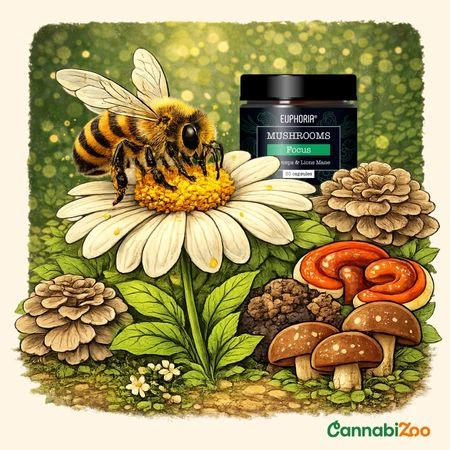
A 2019 laboratory study focused on analysing nine extracts from reishi, shiitake and maitake mushrooms and found that the mixtures were able to increase the production of substances important for the immune response under laboratory conditions.
Polysaccharides from mushrooms also have antimicrobial potential – that is, the ability to act against certain pathogenic bacteria and viruses.
2. Triterpenoids: anti-inflammatory and antioxidant potential
Another frequently mentioned group of substances contained in functional mushrooms are triterpenoids, which are associated with anti-inflammatory and antioxidant effects.
Together with phenolic compounds, they work well as a team 🐺 – they can contribute to liver protection, better stress management and cognitive health support.
3. Protection against oxidative stress
Functional mushrooms contain substances that can help the body cope with oxidative stress. You can think of oxidative stress as a beaver 🦫 gradually gnawing away at trees – but in the body, it is the long-term "wear and tear" of cells and tissues, which, over time, can be linked to ageing and the development of inflammation and certain other diseases.
To prevent oxidative stress, it is advisable to consume sufficient antioxidants. Medicinal mushrooms are one way to prevent oxidative stress and support overall vitality.

The most well-known types of functional mushrooms and their effects
In our zoo 🐾, each species has its own "specialisation" – some boost immunity, others add energy or help with concentration. Here is a quick overview of the most well-known functional mushrooms and their effects:
- Reishi effects – valued for boosting immunity, reducing stress and promoting overall well-being. It mainly contains polysaccharides (immune and anti-cancer effects) and triterpenoids (anti-inflammatory and antioxidant effects).
- Chaga effects – often referred to as the king 🦁 of medicinal mushrooms, highly valued for boosting immunity thanks to melanin and betulinic acid. It contains polyphenols, which offer antioxidant and anti-inflammatory effects.
- Cordyceps effects – the cheetah 🐆 among functional mushrooms, cordyceps is often mentioned for increasing energy and performance, but also for its positive effect on liver and kidney function.
- Lion's mane effects – this mushroom is sought after by those who want to have an elephant's memory 🐘, improve their concentration and support their cognitive functions. It is valued for supporting brain and nervous system health, as it contains hericenones and erinacines, which stimulate the production of nerve growth factor important for cell and tissue growth.
- Shiitake effects – just as a porcupine defends itself with its quills 🦔, shiitake can fight viral infections and bacteria, strengthen immunity and have anti-inflammatory effects thanks to lentinan.
- Maitake effects – legend has it that when people once found this mushroom, they danced with joy like peacocks strutting in front of their peahens 🦚. That is why it is nicknamed the dancing mushroom and is traditionally associated with supporting digestion and metabolism.
👉 Tip: Want to learn more about the effects of reishi, the "mushroom of immortality"? Then read our article What is reishi good for.
How to use medicinal mushrooms?
Medicinal mushrooms can be taken in capsule, powder, or drink form. Capsules are the most common and convenient option, while powder can be mixed into smoothies, yoghurt, or other foods.
There is no universal rule for how to take medicinal mushrooms 👄 – it always depends on the specific product. It is best to follow the manufacturer's recommendations (often 1 capsule per day).
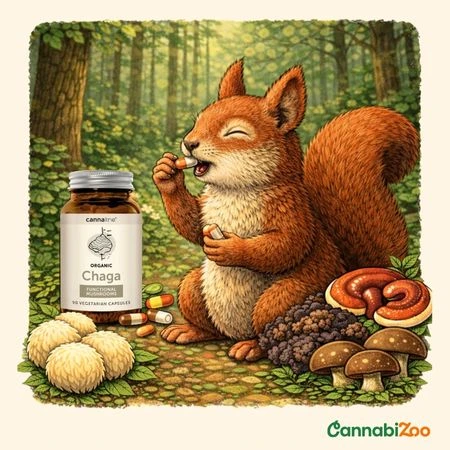
It may be advisable to take mushrooms preventively – for example, during periods when the body is under greater stress and all kinds of germs are flying around (typically in autumn and winter).
How to combine mushrooms?
Just as symbiosis works in nature, it can also work with medicinal mushrooms. When combining them, focus on the synergy of their effects – choose species that complement each other perfectly.
For some people, it may be easier to choose a product that contains mushrooms that have already been mixed together.
A garden full of medicinal mushrooms
The most common and convenient form of medicinal mushroom use is capsules. At CannabiZoo, you will find both extracts of a single functional mushroom and mixtures combining several species.
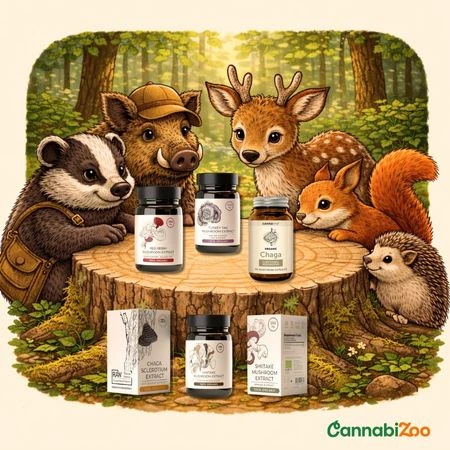
Medicinal mushrooms:
- Endoca red reishi extract
- Endoca shiitake extract
- Endoca lion's mane extract
- Endoca maitake extract
- Endoca chaga mushroom extract
- Cannaline chaga mushroom extract
- Endoca cordyceps mushroom extract
- Endoca turkey tail mushroom extract
Medicinal mushroom blends:
- Euphoria Mushrooms Focus – a blend of reishi, cordyceps, lion's mane and shiitake.
- Endoca Immune Complex Mushroom Extract – a blend of maitake, reishi, turkey tail, shiitake and chaga.
👉 Tip: Discover other herbal supplements and mood enhancers.
Conclusion: a natural supplement for health ❤️🩹
Medicinal mushrooms are a valuable natural resource that, thanks to their bioactive compounds, have the potential to boost immunity, positively influence metabolism and contribute to the prevention of certain health issues.
User experiences are often positive – people most often mention reduced fatigue, increased energy, immunity support, or improved concentration. At the same time, however, the effects may vary from person to person 🦎. Some people will feel a change, while others may not feel anything at all.
FAQ
1. When to use medicinal mushrooms?
Medicinal mushrooms are best taken 30 minutes before a meal or about an hour after a meal, with water.
2. Which mushroom is the healthiest?
It is impossible to say which mushroom is the healthiest, but the most well-known medicinal mushrooms for supporting the body include: reishi, chaga, cordyceps, lion's mane, shiitake, maitake, and oyster mushroom.
3. How long should medicinal mushrooms be taken?
If you are taking medicinal mushrooms more as a preventive measure (and not to treat acute problems), a regimen of 5 days of use + 2 days of rest is recommended.
For long-term use, a longer break is often included – for example, 3 months. It always depends on the type of mushroom.
4. Who should not use medicinal mushrooms?
Pregnant and breastfeeding women, people taking medication, and parents who want to give mushrooms to their children should consult their doctor thoroughly before using medicinal mushrooms.
Sources:
- Medicinal Mushrooms: Their Bioactive Components, Nutritional Value and Application in Functional Food Production—A Review
- Medicinal mushrooms: Discover a wide range of benefits and boost your health
- What is reishi good for and why is it called the "mushroom of immortality"?
- Mushroom as the Potential Source of New Generation of Antioxidant: A Review
- Synergistic immuno-modulatory activity in human macrophages of a medicinal mushroom formulation consisting of Reishi, Shiitake and Maitake
- Antioxidant Activity of Mushroom Extracts/Polysaccharides—Their Antiviral Properties and Plausible Anti-COVID-19 Properties
- Health-Promoting Properties of Medicinal Mushrooms and Their Bioactive Compounds for the COVID-19 Era—An Appraisal: Do the Pro-Health Claims Measure Up?
- Medicinal Mushrooms: Their Bioactive Components, Nutritional Value and Application in Functional Food Production—A Review
- Innovative applications of medicinal mushrooms in functional foods and nutraceuticals: a focus on health-boosting beverages
- Combining the Anticancer and Immunomodulatory Effects of Astragalus and Shiitake as an Integrated Therapeutic Approach
- Enhancement of bioactive metabolites from solid-state fermentation of Cordyceps fungus using various substrates on ameliorating oxidative stress to liver health
Author: Lucie Schmidtová
Photo: AI
"All information provided on this website, as well as information provided through this website, is for educational purposes only. None of the information contained herein is intended to be a substitute for a medical diagnosis and should not be considered medical advice or recommended treatment. This website does not endorse, condones or advocate the licit or illicit use of narcotic drugs or psychotropic substances or the commission of any other illegal activity. For more information, please see our Disclaimer."
Recommended products12
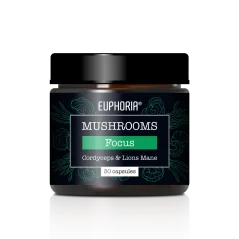
Euphoria Mushrooms Focus, 30 capsules
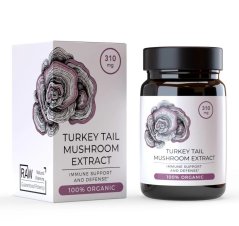
Endoca Turkey Tail Mushroom Extract, 30 capsules

Happy Caps Mushroom Mix Capsules, 60 pcs
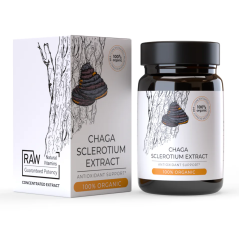
Endoca Chaga Mushroom Extract, 30 capsules
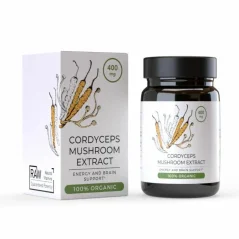
Endoca Cordyceps Mushroom Extract, 30 capsules
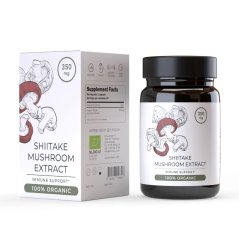
Endoca Shiitake Mushroom Extract, 30 capsules
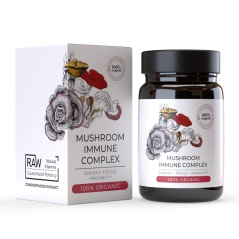
Endoca Immune Complex Mushroom Extract, 30 capsules
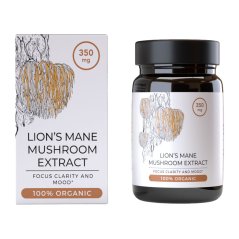
Endoca Lion’s Mane Mushroom Extract, 30 capsules
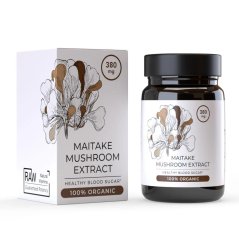
Endoca Maitake Mushroom Extract, 30 capsules
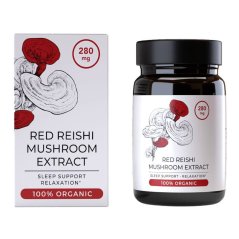
Endoca Red Reishi Mushroom Extract, 30 capsules
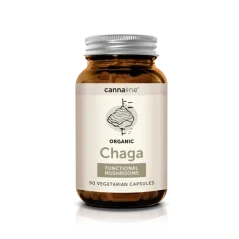
Cannaline Chaga Functional Mushrooms, 90 capsules