
 English (EUR)
 Česky (CZK)
 Deutsch (EUR)
 Austria (EUR)
 Polski (PLN)
 Français (EUR)
 Español (EUR)
 Italiano (EUR)
 Română (EUR)
 Ελληνικά (EUR)
 Dutch (EUR)
 Eesti keel (EUR)
 Português (EUR)
 Magyar (EUR)
 Svenska (EUR)
 Dansk (EUR)
 Suomen kieli (EUR)
 български език (EUR)
 Slovenščina (EUR)
 Slovensky (EUR)
 lietuvių kalba (EUR)
 latviešu valoda (EUR)
 Hrvatski (EUR)
 українська мова (EUR)
 Bahasa Indonesia (EUR)
Goodbye, flaky skin: The ultimate guide to caring for dry skin
- Why does the skin dry out and peel?
- What are the causes of dry skin?
- Ten rules for dry skin
- Targeted support for dry areas
- Dry flaky skin on the face
- Dry skin around the eyes
- Dry lips
- Dry skin on hands
- Dry skin on the legs
- Dry skin on the feet and heels
- Dry scalp
- Products for dry skin
- The key to hydration is a strong skin barrier
- FAQ
Dry skin afflicts a significant portion of the population. It can occur at any age, but is more common as we get older.
A 2019 study involving more than 48,000 people found dry skin in almost 30% of those examined. While it affected 16.7% of participants aged 16-19, the figure rose to 38.4% in the 60–70 age group. Dry skin has also been linked to a higher likelihood of certain skin conditions, such as atopic eczema.
Why does the skin dry out and peel?
You can think of the skin barrier as a beaver dam 🦫: it not only protects the skin, but also locks in moisture. The skin barrier is made up of keratinized skin cells that are connected by lipids (mainly ceramides, cholesterol and fatty acids), much like wood in a dam bound together by mud.
When lipid levels drop, the barrier no longer seals properly, the skin begins to peel, and water escapes from the skin more quickly💧. And since we humans can't shed our skin like snakes, it's important to take care of it.
Dry skin can be related to a skin condition, such as eczema or psoriasis. If, in addition to dryness, there is redness, a rash, burning, inflammation or oozing, it is time to consult a doctor.

What are the causes of dry skin?
Dry skin is usually not caused by one culprit, but by a whole pack of factors 🐺:
- Frequent washing or disinfection: Washing too often or for too long, hot water and frequent disinfection of the skin.
- Inappropriate cosmetics: Fragrances, drying alcohols, some synthetic ingredients and other substances can be a problem.
- Inappropriate clothing: Rubbing the skin against clothing that is too tight and made of coarse fabric can contribute to dryness.
- Weather conditions: External factors such as cold, wind, low humidity or heating can significantly affect the condition of the skin. Skin dryness is therefore most pronounced in winter.
- Genetic predisposition and disease: Skin diseases such as atopic eczema or psoriasis can contribute to dryness. Dry skin can also be related to, for example, an underactive thyroid, diabetes or other health problems.
- Age: As we age, the amount of sebum and the skin's ability to retain water decreases.
Is vitamin deficiency to blame?
“dry skin vitamin deficiency” is a frequently searched phrase — however, dry skin alone is not a reliable symptom of a specific vitamin deficiency.
Even though significant deficiencies of vitamins A and B3, zinc or essential fatty acids can affect the condition of the skin, much more often dryness is due to inappropriate habits and external influences.
Ten rules for dry skin 🦦
- Reduce washing time: Don't play raccoon 🦝! Prefer a short lukewarm shower to a long hot bath. If you suffer from dry hands, use gloves for cleaning.
- Choose suitable skincare products: Choose products for dry skin that are designed to support the skin barrier 🦫. Products without drying alcohols or fragrances and with humectants, lipids and occlusive ingredients are ideal.
- Moisturize regularly: Nourish your skin with a moisturizer, ideally after washing while it is still damp. In winter, moisturize before bed and choose a richer daytime cream to protect your skin from freezing temperatures. Elephants 🐘 protect themselves from the sun with a layer of mud — especially in summer, don’t forget to apply sunscreen.
- Be gentle with your skin: Avoid exfoliation and do not rub the skin with a towel.
- Limit contact with irritants: Avoid skin contact with cleaning agents and other chemicals. Choose a gentle detergent and use protective gloves when cleaning.
- Wear appropriate clothing: Rubbing your skin against a rough, non-breathable fabric can contribute to dryness — if you suffer from dry skin, wear looser clothing made from soft, breathable materials.
- Protect your skin in bad weather: Do not strain the skin barrier unnecessarily and do not expose it to adverse influences. In winter, protect it from the cold with warm clothes made of soft cotton, in summer from the sun with a cap, hat or parasol.
- Create a suitable environment at home: Customize your terrarium so that you are comfortable in it 🐢. Warm and dry air accelerates the evaporation of water from the skin. Therefore, do not overheat the household, ventilate regularly and use an air humidifier if necessary. Indoor plants or a damp towel placed on top of the heater can also help.
- Eat a balanced diet and drink enough fluids: Dry skin is mainly caused by damage to the skin barrier 🦫, which needs to be supported externally. But don't forget about a varied diet and adequate fluid intake.
- In case of more serious problems, consult a doctor: Dry skin can signal a more serious problem. If standard care is not enough or you notice other skin or health problems, a consultation with a doctor is in order 🩺.

Targeted support for dry areas
Dryness can affect different parts of the body and each of them requires slightly different care. The area around the eyes requires extremely gentle care, a dry scalp requires gentle cleansing, and dry heels benefit from a foot file and a nourishing cream.
Dry flaky skin on the face
⚠️ Possible cause: The skin on the face is constantly exposed to external influences such as sunlight or polluted air. Dry skin on the face can feel uncomfortably tight and flaky.
✅ Solution: Suitable facial care is very individual, but the following is generally recommended:
- avoid peelings and rough scrubbing,
- choose gentle skincare products without drying alcohols or fragrances,
- opt for nourishing thick creams,
- moisturize the skin first, then seal in moisture with an oil,
- moisturize the skin intensively at night and in the morning use creams that protect against frost or the sun.

💡 Tip: For removing makeup, you could try coconut oil.
Dry skin around the eyes
⚠️ Possible cause: The skin around the eyes is very thin and delicate and can therefore be very sensitive to various components of common cosmetics.
✅ Solution:
- If you have dry skin around your eyes, use special products without drying alcohols or fragrances.
- When applying other facial products, make sure you avoid the eye area
Dry lips
⚠️ Possible cause: The skin on the lips has a weak protective layer and easily loses moisture. Dry lips burn and crack.
✅ Solution:
- Regularly use a suitable lip balm, especially before being outside and before going to bed.
- Do not lick your lips – saliva evaporates quickly and further worsens dryness.
- Limit alcohol consumption and avoid very salty, spicy, hot and acidic foods.
Dry skin on hands
⚠️ Possible cause: The skin on your paws usually works the hardest 🐾. Your hands can become dry, especially if you soak and disinfect them often.
✅ Solution:
- Wash your hands briefly with lukewarm water, use gentle soap and apply a fast-absorbing cream after every wash.
- At night, moisturize your hands with a richer, more nourishing cream.
- Wear gloves when cleaning.

Dry skin on the legs
⚠️ Possible cause: There are relatively few sebaceous glands on the shins and calves, so the skin has a weaker natural protective layer. Dry skin on the shins and dry skin on the calves is often caused by improper shaving or skin rubbing against tight clothing.
✅ Solution:
- If you shave your legs, make sure you use a sharp razor and shaving gel, which softens the hairs, makes it easier for the razor to slide and helps reduce friction and skin irritation. Shave in the direction of hair growth, don't put too much pressure on the razor, and after shaving your legs, apply a moisturizer followed by an oil.
- Avoid wearing tight jeans and non-breathable leggings — prefer loose, breathable clothing.

Dry skin on the feet and heels
⚠️ Possible cause: The main reason why the feet turn into hooves is long-term pressure 🦌 — calloused skin occurs through frequent walking, standing for a long time, wearing inappropriate shoes or walking barefoot. Higher body weight or age can also contribute to its development.
✅ Solution:
- Do not cut the hardened skin, carefully file it down with a special foot file.
- It is important to regularly moisturize your feet and heels with a higher content of urea, lactic or salicylic acid, which soften the calloused skin.
Dry scalp
⚠️ Possible cause: A dry scalp can cause itching and flaking. The reason is a lack of natural sebum, usually due to frequent washing of hair with hot water, use of aggressive, strongly degreasing shampoos, blow-drying with hot air, use of styling products or scalp damage caused by frequent hair colouring.
✅ Solution:
- Wash your hair with lukewarm water and use a gentle shampoo without drying alcohols or fragrances.
- Blow dry your hair at a low temperature, limit blow drying.
- Limit styling products.
- If you dye your hair, leave a longer time gap between dyeing and choose gentle hair dyes.
Products for dry skin
Dry skin should be irritated as little as possible while being replenished with substances that bind water 💧 and strengthen the skin barrier 🦫.
For dry skin thicker creams and ointments tend to be more suitable than light body lotions. They should be applied ideally shortly after the shower, on slightly damp skin. After moisturizing with a cream, it is a good idea to seal in moisture with an oil.
What to look for in the ingredients
There are many products on the market for dry skin. How to choose the best one?
When choosing, give preference to products that:
- Do not contain drying alcohols: ethanol, alcohol denat. or isopropyl alcohol can irritate the skin in higher quantities.
- Are fragrance-free: Fragrances can cause irritation or contact allergies, especially when the skin barrier is compromised 🦫.
- Have a simple formula containing beneficial substances.
Ideally, the product should contain a combination of three groups of ingredients: humectants, which bind water, lipids, which fill the spaces between skin cells, and occlusive substances, which protect the skin and limit water evaporation 🐢.
Examples of humectants include:
- Glycerin: binds water in the skin, which hydrates and strengthens it.
- Urea: is a natural part of the skin. At a concentration of 5-10% it hydrates the skin, while at a higher concentration it softens the calloused layer of the skin. In a 2026 study, for example, using a 10% urea formulation twice daily for 60 days resulted in a 55.3% increase in hydration.
- Lactic acid: is a natural part of the skin. It hydrates and in a higher concentration at an acidic pH exfoliates the surface of the skin as an AHA acid.
- Hyaluronic acid: hydrates the upper layer of the skin, thanks to which it has an almost immediate effect. The skin appears more flexible and smoother after application. It works best in combination with substances that prevent the subsequent evaporation of water.
The main barrier lipids include ceramides, cholesterol and free fatty acids. Together, they fill the space between the cells of the stratum corneum and contribute to the cohesion of the skin barrier 🦫. Not only the quantity is important, but also their appropriate ratio.
Occlusive substances 🐢 create a protective layer on the surface of the skin that slows down the evaporation of water. These include, for example:
- Petrolatum: Commonly used especially in ointments.
- Dimethicone: a silicone that protects the skin and reduces water loss in a similar way to petrolatum. Compared with petrolatum, it is less greasy and therefore often more pleasant for daily use.
|
Look for these ingredients |
Group |
Function |
|
Glycerin, Urea, Lactic Acid, Hyaluronic Acid, Sodium Hyaluronate |
humectants |
bind water and increase skin hydration |
|
Ceramide, Cholesterol, fatty acids (for example Linoleic Acid, Stearic Acid, Palmitic Acid) |
barrier lipids |
replenish lipids and help restore the skin barrier |
|
Petrolatum, Dimethicone |
occlusive substances |
form a protective layer and reduce water loss |
Hemp skincare
Although research to date is still limited, hemp is becoming a popular ingredient in body cosmetics due to its natural origin and potential benefits.
Hemp oil contains unsaturated fatty acids that support the skin barrier.
Cannabinoids found in hemp, such as CBD, may help combat inflammation and support regeneration. A 2025 review covering 3,359 participants across 17 studies of various hemp-derived and cannabinoid products found a small but statistically significant reduction in skin itching.
Although more extensive studies are needed to confirm the medicinal effects of cannabis, current findings support its use in cosmetic care for dry skin. However, it cannot be considered a substitute for dermatological treatment, so if dryness persists, worsens or is accompanied by redness, itching, cracking of the skin and other problems, it is advisable to consult a doctor.
Products that have long been popular include hemp body lotions, hemp oils and hemp ointments.
Hemp body lotion has a texture as light as a feather 🪶, spreads easily and is quickly absorbed. It is suitable for daily skin hydration, ideally after a shower or bath, and should be applied while the skin is still slightly damp.
Hemp oil is used not only in the kitchen, but also in skincare. It can be applied to damp skin or over a moisturizer, used on areas under strain or for removing makeup.
Hemp ointment has a richer consistency and is suitable for targeted care of areas under strain and for massage. Available options include, for example, extra-strength hemp ointment for intensive care, or hemp ointment with comfrey to support regeneration.
The key to hydration is a strong skin barrier 🦫
Just as beavers take care of water dams, we have to take care of our skin barrier, which not only protects the skin, but retains moisture in it 💧.
It makes sense to support the skin barrier primarily from the outside. Each area requires different care, but in general it is important to reduce washing time, avoid hot water and use gentle skincare products. The skin should be moisturized with a nourishing cream and protected from external factors.
Skincare products should not contain drying alcohols or fragrances. The ingredients should ideally include three groups of substances: humectants (glycerin, urea, lactic acid, hyaluronic acid), lipids (ceramides, cholesterol), and occlusive substances (petrolatum, dimethicone).
However, skin care is very individual, which is why patience is required when hunting for suitable products 🐅. If the skin is extremely dry, itchy, red, and other skin or health problems appear, it is time to see a doctor.
FAQ
1. Is dry skin a sign of dehydration?
Dry skin can be related to dehydration (a lack of fluids) , but more often the problem is a damaged skin barrier. Adequate fluid intake is important for overall health, but increasing water intake alone will usually not solve dry skin.
2. Can the skin be dry and oily at the same time?
Yes. This is typical of combination skin, which tends to be oilier on the forehead, nose and chin while remaining dry on the cheeks. Even oily skin can be dehydrated and have a compromised skin barrier.
3. How to tell the difference between dry skin and eczema?
Dry skin is rough, can be slightly scaly and tight, regular moisturizing usually improves it.
Eczema is an inflammatory disease, which may be accompanied by intense itching, redness, cracks, swelling, oozing or scabs. If the dryness does not improve after changing the care or you observe other symptoms, see a doctor.
4. What vitamins for dry skin?
Dry skin can be associated with deficiencies in vitamins A and B3, zinc or essential fatty acids. In most cases, however, it is not a lack of vitamins, but a weakened skin barrier. It can be supported through gentle care, suitable cosmetics and correct daily habits.
5. Is cream or ointment better?
For daytime care, a light, easily absorbed cream tends to be more comfortable. For very dry areas and nighttime use, the product that usually does a better job of reducing moisture loss is an ointment. However, it depends on individual needs and preferences.
6. Can natural cosmetics help my dry skin?
It may help, but a product being natural does not automatically mean it is gentle or effective. Some plant extracts, essential oils and natural fragrances can irritate sensitive skin or cause an allergic reaction.
Dry skin benefits most from products free from fragrance and drying alcohols, which contain humectants, lipids and occlusive ingredients.
7. How long does it take for a damaged skin barrier to recover?
This is very individual, depending on the severity, cause, treatment chosen and other factors. Mild dryness can improve within a few days, a severely damaged skin barrier or cracks can take several weeks to heal and sometimes require treatment. If the condition does not improve or worsens despite regular care, consult a doctor.
Sources:
- https://pubmed.ncbi.nlm.nih.gov/29953684/
- https://pubmed.ncbi.nlm.nih.gov/27349297/
- https://pubmed.ncbi.nlm.nih.gov/41807289/
- https://www.frontiersin.org/journals/pharmacology/articles/10.3389/fphar.2025.1609667/full
Photo: AI
“All information on this website, as well as information provided through this website, is for educational purposes only. None of the information provided here is intended to replace a medical diagnosis and should not be considered medical advice or a recommended treatment. This website does not endorse, approve or advocate the legal or illegal use of narcotic or psychotropic substances or the commission of any other illegal activity. For more information, please see our Disclaimer.”

Recommended products6
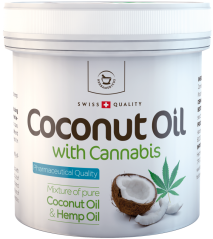
Herbamedicus Coconut oil with hemp for skin, 250 ml
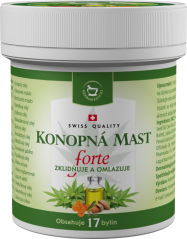
Herbamedicus Hemp ointment forte, 125 ml
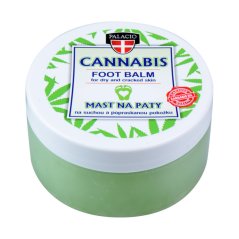
Palacio Hemp heel ointment, 100 ml
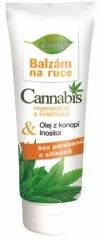
Bione cannabis Hand Ointment, 205 ml
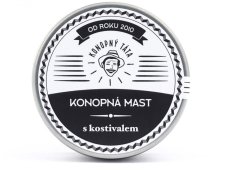
Konopný Táta Hemp Ointment with Comfrey, 90 mg CBD, 80 ml
